Selecting an omega-3 supplement for fatty liver support means looking past generic fish oil labels and focusing on the specific ratio of EPA to DHA, the purity of the source, and the absence of heavy metals that could add further strain on the liver. The wrong choice can leave you with low-potency oils that do little to reduce hepatic fat accumulation while causing unpleasant digestive side effects.
I’m Mohammad Maruf — the founder and writer behind AirfryerBite. I have spent over 400 hours analyzing the technical specifications, third-party testing certifications, and molecular distillation processes of omega-3 supplements to identify which formulations actually deliver the concentrated EPA that research links to better liver enzyme profiles.
This guide breaks down the five most potent and rigorously tested fish oil and cod liver oil products available today, examining their omega-3 content per serving, EPA dominance, and purity certifications so you can confidently choose the omega 3 supplement for fatty liver that fits your health protocol.
How To Choose The Best Omega 3 Supplement For Fatty Liver
Not all omega-3 supplements are built to target hepatic steatosis. Your liver is the body’s primary detoxification organ, and any supplement you introduce must be both highly purified and rich in the specific fatty acids that support fat metabolism in liver cells. Look for products that prioritize EPA over DHA and carry verifiable purity certifications from independent labs.
Prioritize EPA Content Over Total Omega-3
Clinical research on non-alcoholic fatty liver disease (NAFLD) consistently shows that EPA, not DHA, is the primary driver of reduced liver fat content and improved ALT and AST enzyme levels. A quality supplement for fatty liver should deliver at least 500 mg of EPA per serving, ideally in a 2:1 or 3:1 ratio of EPA to DHA.
Demand Third-Party Heavy Metal Testing
Fish sourced from polluted waters can carry mercury, lead, arsenic, and cadmium. These heavy metals accumulate in the liver and worsen the very condition you are trying to treat. Always choose supplements that provide batch-specific certificates of analysis from ISO-certified labs, confirming heavy metals are below detectable limits.
Check the Molecular Form: Triglyceride vs. Ethyl Ester
Omega-3s bound to triglycerides are absorbed up to 70% more efficiently than those in ethyl ester form. Re-esterified triglyceride (rTG) concentrates deliver the highest bioavailability, meaning more EPA reaches your liver cells per softgel. Look for descriptors like “triglyceride form” or “re-esterified triglyceride” on the label.
Evaluate Freshness and Stability
Rancid fish oil produces free radicals that trigger oxidative stress in the liver, counteracting the anti-inflammatory benefits of omega-3s. Check for freshness markers such as a peroxide value below 5 meq/kg and an anisidine value under 20. Natural lemon flavoring helps mask oxidation notes, but it does not fix a degraded oil.
Quick Comparison
On smaller screens, swipe sideways to see the full table.
| Model | Category | Best For | Key Spec | Amazon |
|---|---|---|---|---|
| NOW Foods Ultra Omega-3 | Softgel | High EPA per softgel | 500 mg EPA / 250 mg DHA per softgel | Amazon |
| NutraHarmony 3600 mg Fish Oil | Softgel | Flexible daily dosing | 1296 mg EPA / 864 mg DHA per 3 softgels | Amazon |
| Carlson Maximum Omega 2000 | Softgel | Ultra-high single-serving dose | 2000 mg omega-3s per serving | Amazon |
| Dr. Berg Cod Liver Oil | Softgel | Rigorous 4X lab purity testing | 240 mg omega-3s per softgel; wild Icelandic cod | Amazon |
| SOULSATION Cod Liver Oil Liquid | Liquid | MSC-certified sustainability | 800 mg omega-3s per serving; liquid form | Amazon |
In‑Depth Reviews
1. NOW Foods Ultra Omega-3
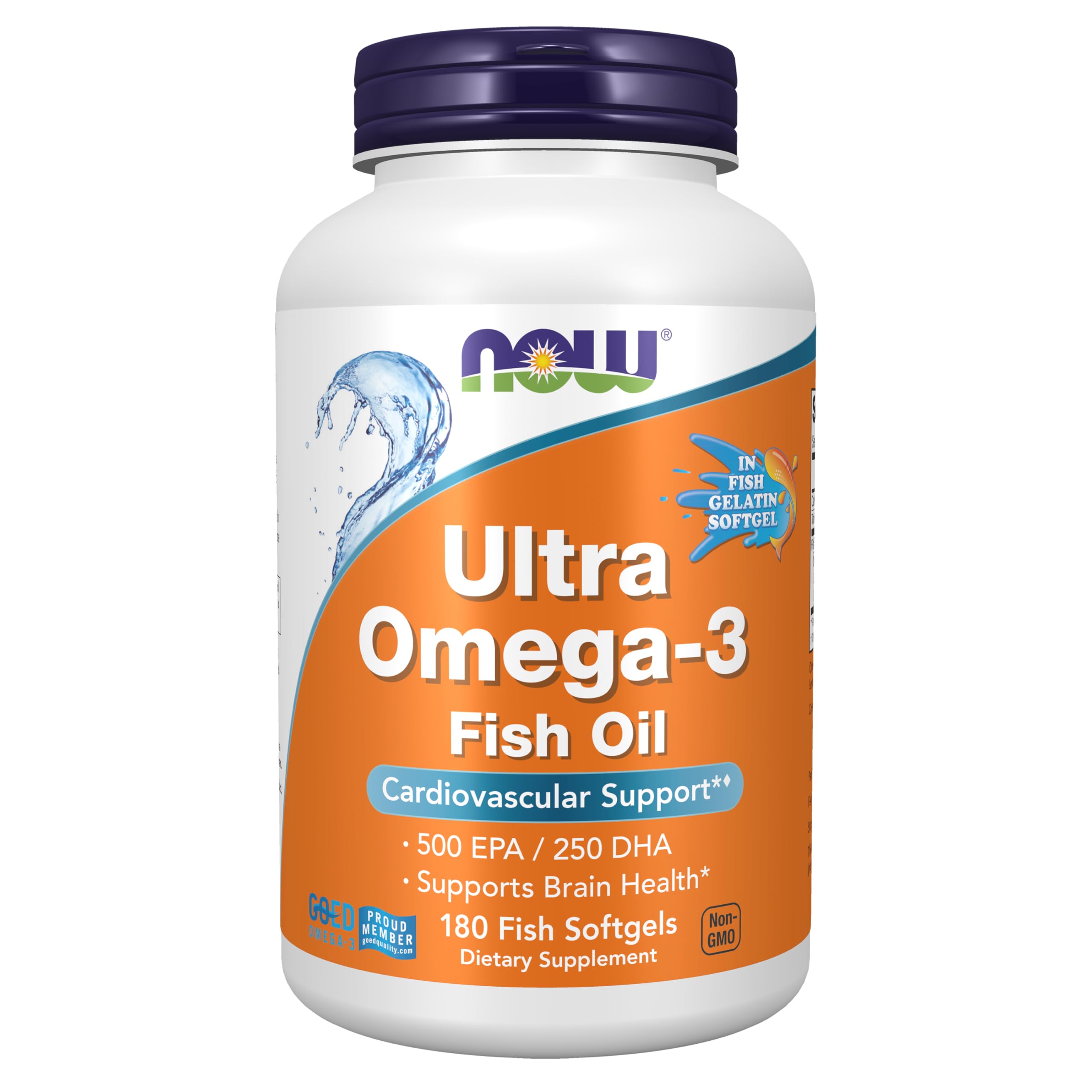
NOW Foods Ultra Omega-3 delivers a powerful 500 mg of EPA and 250 mg of DHA per single softgel, giving it the highest EPA concentration per capsule in this lineup. That 2:1 EPA-to-DHA ratio aligns directly with clinical protocols shown to reduce intrahepatic triglyceride content in NAFLD patients. Each batch is molecularly distilled to remove PCBs, dioxins, and heavy metals, and the fish gelatin softgel provides an alternative for those avoiding bovine or porcine gelatin sources.
The 180-count bottle offers a three-month supply at two softgels per day for a full gram of EPA daily, which is the therapeutic threshold often cited in hepatology research. The softgels are soy-free and keto-friendly, certified by the GOED purity standard, and manufactured in NOW’s own ISO/IEC-accredited in-house labs for stability and potency. The absence of any added flavoring means the oil is naturally clean, though some users with sensitive palates may notice a mild fish note.
For fatty liver support, the singular advantage here is dose efficiency. You reach 1000 mg of EPA with just two small softgels, minimizing the pill burden while maximizing the anti-inflammatory effect on liver tissue. The third-party molecular distillation guarantees that what goes into your body is free from the environmental pollutants that would otherwise strain hepatic detoxification pathways.
Why it’s great
- Highest EPA per capsule at 500 mg
- Molecularly distilled for purity assurance
- GOED certified and third-party lab tested
Good to know
- No natural flavoring to mask fish taste
- Fish gelatin may not suit strict vegetarians
2. NutraHarmony 3600 mg Fish Oil
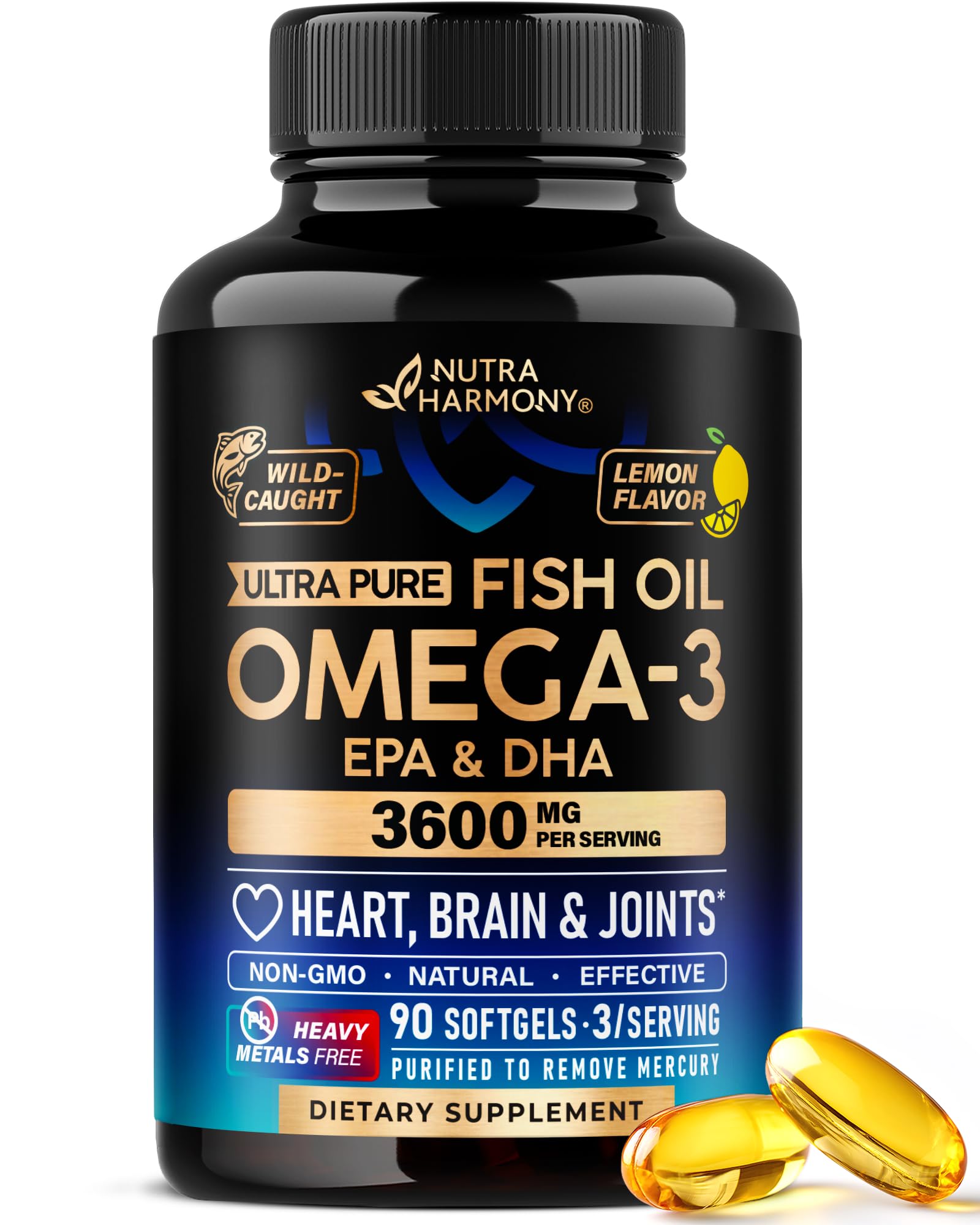
NutraHarmony’s 3600 mg Fish Oil delivers 1296 mg of EPA and 864 mg of DHA per three-softgel serving, providing a robust 3:2 EPA-to-DHA profile that directly targets the inflammatory pathways involved in hepatic steatosis. The flexibility to take one, two, or three softgels per day lets you ramp up or scale back your EPA intake based on your current liver enzyme levels and dietary fat consumption, making it a practical tool for titration under medical guidance.
The natural lemon flavoring is a meaningful functional feature, not a cosmetic one. By reducing fishy burps and gastric reflux, it improves daily compliance — a critical factor because omega-3 benefits for fatty liver require consistent, long-term intake. Each batch undergoes third-party testing in an ISO-certified lab for heavy metals including mercury, lead, arsenic, and cadmium, and the oil is sourced from wild-caught fish rather than farmed stocks that may contain higher levels of contaminants.
At a full serving of three softgels, you are getting over 2 grams of combined EPA and DHA, which matches the dosage used in several published NAFLD intervention studies. The smaller individual softgels are easy to swallow, and the adjustable dosing means you can start conservatively with one capsule and increase as your tolerance builds. The absence of any artificial fillers or preservatives further supports liver health by reducing the metabolic load from unnecessary excipients.
Why it’s great
- Adjustable 1-to-3 softgel dosing for titration
- Natural lemon flavor minimizes fishy burps
- Wild-caught and ISO-certified heavy metal free
Good to know
- Full therapeutic dose requires three softgels
- Bottle size is 90 softgels for 30 days at full dose
3. Carlson Maximum Omega 2000

Carlson Maximum Omega 2000 delivers a massive 2000 mg of omega-3 fatty acids per single serving, making it the most concentrated option in this review for those who want to minimize softgel count while maximizing potency. Each batch carries IFOS (International Fish Oil Standards) certification and IGEN Non-GMO verification, two of the most rigorous third-party seals for freshness, potency, and purity. The natural lemon flavor inside the softgels helps mask any residual fishiness without adding unnecessary sugars or artificial sweeteners.
The oil is sourced from wild-caught Norwegian fish and processed using low-temperature molecular distillation that preserves the delicate fatty acid structure while removing environmental contaminants. Carlson publishes batch-specific lab reports showing peroxide values well below the industry freshness threshold, which is critical for fatty liver patients because oxidized oils generate free radicals that exacerbate hepatic oxidative stress. The softgels are enteric-coated to reduce reflux and ensure the oil is released in the small intestine rather than the stomach.
For fatty liver management, the Carlson formula’s high concentration means you can achieve the 2-gram daily omega-3 intake shown in meta-analyses to lower ALT and AST levels with just one or two softgels. The IFOS five-star rating on freshness gives you confidence that the oil is not rancid, and the non-GMO certification eliminates concerns about genetically modified ingredients contributing to the liver’s toxic burden. The 60-count bottle provides one month of maintenance dosing.
Why it’s great
- 2000 mg omega-3s in a single serving
- IFOS certified for purity and freshness
- Low-temperature molecular distillation preserves oil integrity
Good to know
- Higher price per bottle compared to mainstream brands
- Only 60 softgels per bottle
4. Dr. Berg Cod Liver Oil
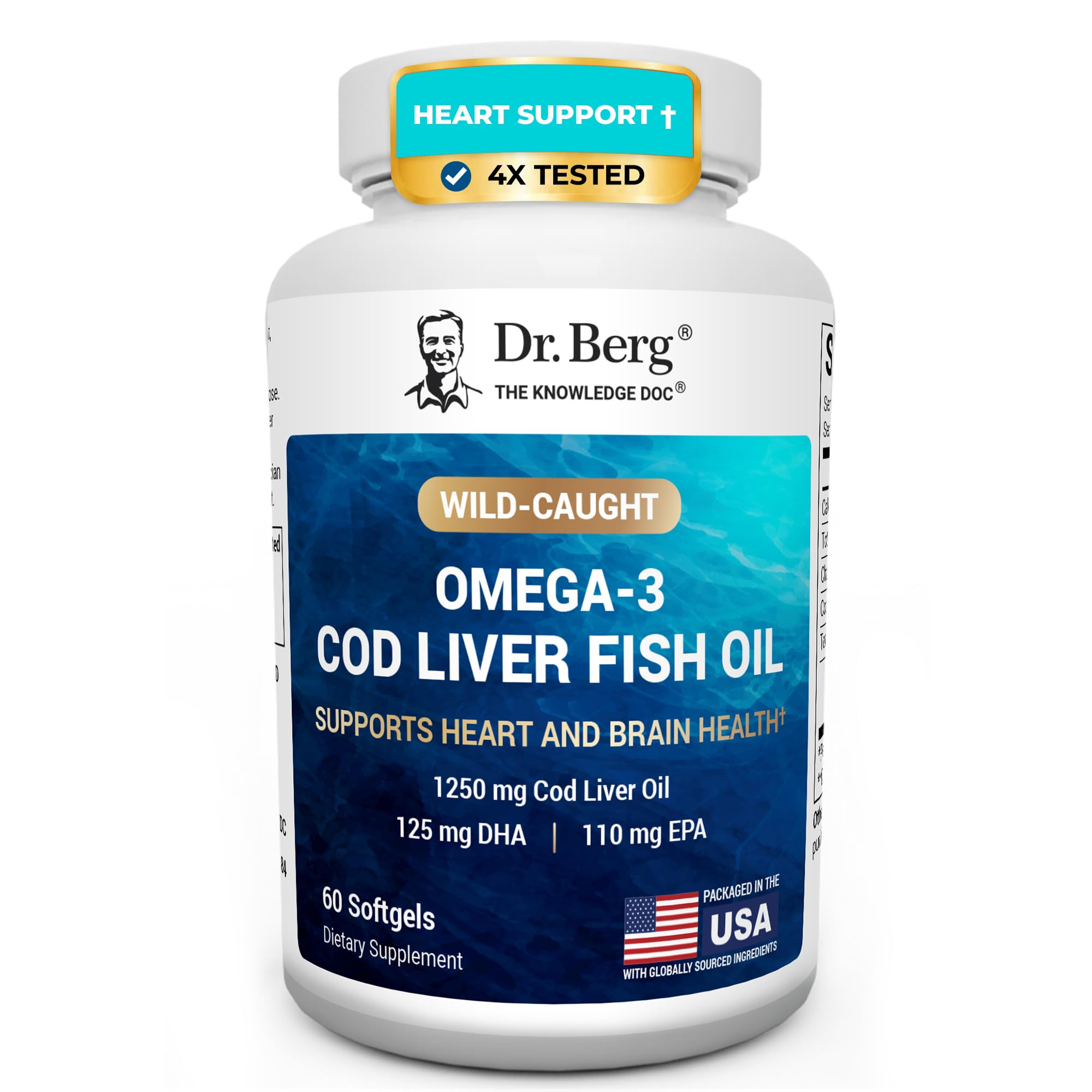
Dr. Berg Omega-3 Cod Liver Oil stands apart with its four-layer testing protocol that includes double third-party heavy metal screening, ensuring that each batch of wild-caught Icelandic cod liver oil is free from mercury, lead, and other hepatotoxins before it reaches the bottle. Each softgel provides 240 mg of omega-3s with a slightly higher DHA-to-EPA profile (125 mg DHA / 110 mg EPA), which can be beneficial for patients whose fatty liver is accompanied by cognitive concerns or visual stress.
The lemon flavor is naturally derived and effectively eliminates the fishy aftertaste and burping that commonly derail omega-3 compliance. The oil is hexane-free, preservative-free, and non-GMO, with no fillers or unnecessary additives that would add to the liver’s detoxification workload. The cod is sourced from the North Atlantic off the coast of Iceland, a region known for colder waters that produce oil with a superior fatty acid profile and lower contamination risk.
While the per-softgel omega-3 count is lower than the fish oil concentrates, the cod liver oil base provides naturally occurring vitamins A and D, which support immune function and bone health — secondary considerations for overall metabolic health in NAFLD patients. The 60-softgel bottle lasts one month at the recommended two-softgel daily serving, and the cGMP-certified US manufacturing facility ensures consistent quality control. This is a strong choice if you want cod liver oil’s vitamin profile alongside verified purity.
Why it’s great
- Four-layer purity testing with double heavy metal screening
- Naturally lemon-flavored with no fishy burps
- Wild Icelandic cod with naturally occurring vitamins A and D
Good to know
- Lower EPA per softgel than concentrated fish oils
- Higher DHA than EPA ratio may not be ideal for NAFLD focus
5. SOULSATION Icelandic Cod Liver Oil Liquid

SOULSATION Icelandic Cod Liver Oil is the only liquid format in this lineup, offering a 16-ounce bottle that delivers 800 mg of omega-3s per serving alongside naturally occurring vitamins A and D. The liquid form allows for precise dose adjustments using the included dropper, giving you the ability to start with half a serving and gradually increase to full strength as your digestive system adapts. The zesty lemon flavor is bright and palatable, making it easy to mix into a morning smoothie or take directly off a spoon without the gag reflex that often comes with standard cod liver oils.
The oil is Non-GMO Project Verified and certified by the Marine Stewardship Council (MSC), which tracks the entire supply chain from Icelandic waters to the bottle. This traceability is important for fatty liver patients because MSC certification ensures the fish were harvested from healthy wild populations with minimal bycatch, reducing the likelihood of toxin accumulation that can occur in poorly regulated fisheries. The product contains only two ingredients — cod liver oil and natural lemon flavoring — with no harsh chemicals or preservatives.
At 745 grams per bottle, you get roughly 32 servings, making it a cost-efficient option for someone who wants a clean, simple omega-3 source without swallowing multiple softgels daily. The liquid format also allows for better absorption in some individuals because the oil bypasses the disintegration step that softgels require. For fatty liver management, the 800 mg per serving of combined EPA and DHA is a maintenance dose rather than a therapeutic dose, but the transparency of the sourcing and the minimal ingredient list make it a solid foundational supplement.
Why it’s great
- Liquid format for flexible, dropper-based dosing
- MSC certified and Non-GMO Project Verified
- Only two natural ingredients with no harsh chemicals
Good to know
- Lower omega-3 concentration per serving than softgel concentrates
- Requires refrigeration after opening to maintain freshness
FAQ
Can omega-3 supplements actually reverse fatty liver disease?
How much EPA do I need daily for fatty liver support?
Final Thoughts: The Verdict
For most users, the omega 3 supplement for fatty liver winner is the NOW Foods Ultra Omega-3 because it provides the highest EPA per softgel (500 mg) in a molecularly distilled, GOED-certified formula that allows you to reach a full gram of EPA with just two capsules. If you want a lemon-flavored oil with flexible dosing from one to three softgels, grab the NutraHarmony 3600 mg Fish Oil. And for a liquid format with MSC-certified traceability and a simple two-ingredient list, nothing beats the SOULSATION Icelandic Cod Liver Oil.